250 mg vs 500 mg NMN: Which Dose Makes Sense?
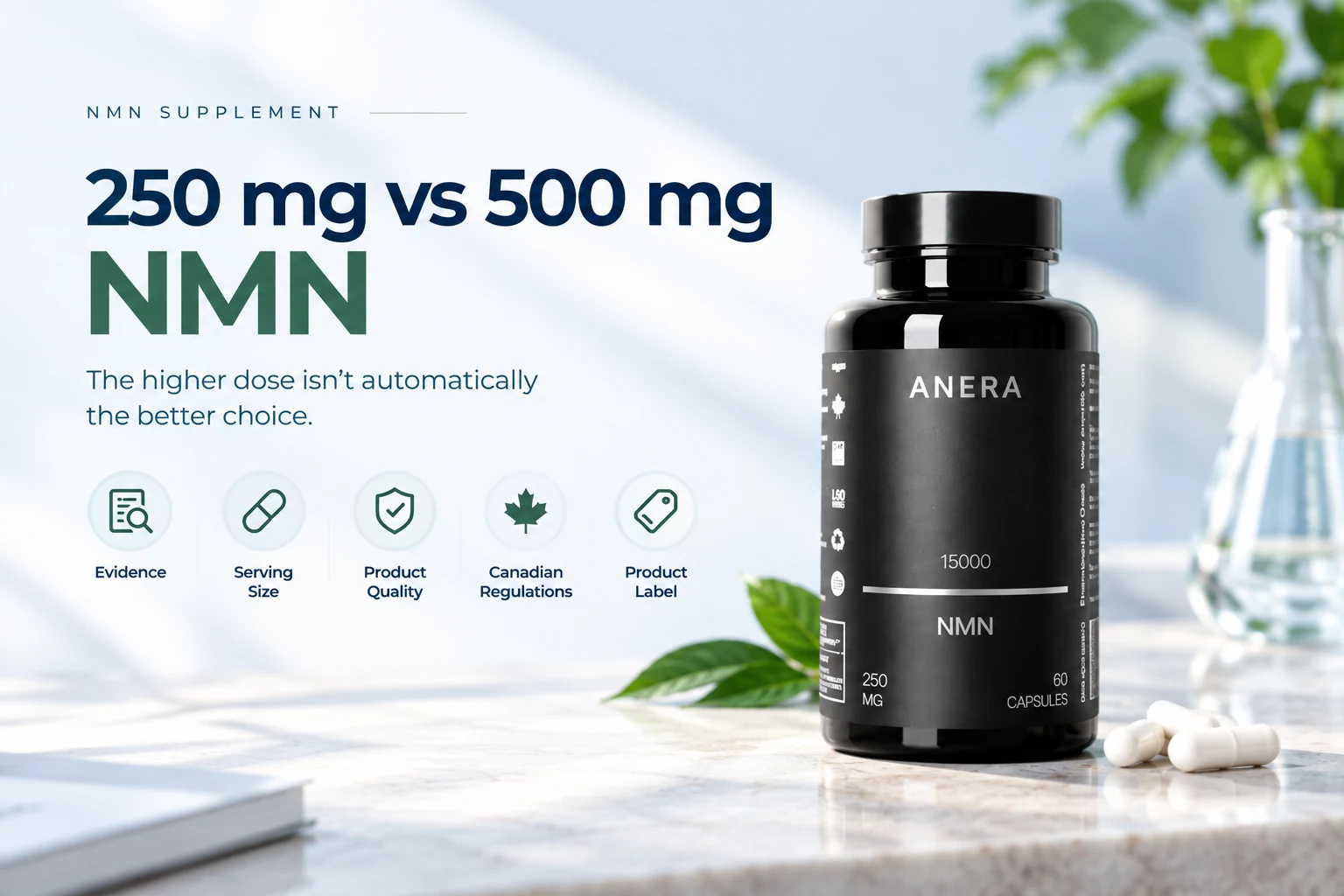
If you are comparing NMN 250mg vs 500mg, the higher dose is not automatically the better choice. Human studies have examined 250 mg, 500 mg, and higher daily amounts, but study dose alone does not establish one universally optimal NMN dose. The right comparison should consider the evidence, serving size, product quality, Canadian regulatory information, and the product label.
250 mg vs 500 mg NMN at a Glance
| Factor | 250 mg NMN | 500 mg NMN |
|---|---|---|
| NMN per serving | 250 mg | 500 mg |
| Relative amount | 1× | 2× |
| Studied in humans | Yes | Yes |
| Automatically more effective? | Not established | Not established |
| Practical consideration | Lower amount per serving | Higher amount per serving |
| What else matters? | Evidence, quality and label | Evidence, quality and label |
The most important point is that 500 mg is twice the amount of NMN, but that does not mean it produces twice the effect. Clinical trials use different populations, doses, durations and outcomes, so results cannot be reduced to a simple “higher is better” rule.
What Does 250 mg of NMN Mean?
A 250 mg NMN serving provides 250 milligrams of nicotinamide mononucleotide.
This dose has been investigated in several human studies. For example, one randomized controlled trial gave healthy volunteers 250 mg of NMN once daily for 12 weeks and measured NAD+ and related metabolites. The researchers reported increased whole-blood NAD+ levels and no obvious adverse effects during the study period.
Another 2023 human study administered 250 mg once daily for 12 weeks to healthy volunteers and found increases in plasma NMN and NAD+. Individual changes varied, and the study was not designed to establish that 250 mg is the universally optimal consumer dose.
A separate randomized study in older adults also examined 250 mg/day for 12 weeks, assessing sleep quality, fatigue and physical performance.
These studies make 250 mg a well-studied dose in human NMN research, but “studied” should not be confused with “proven optimal.”
What Does 500 mg of NMN Mean?
A 500 mg serving contains exactly twice as much NMN as a 250 mg serving.
Human research has examined 500 mg and higher doses. One early human safety study administered single oral doses of 100 mg, 250 mg and 500 mg NMN to 10 healthy men and assessed clinical parameters and metabolites over five hours.
Other clinical research has examined substantially higher daily doses. A randomized dose-dependent trial investigated 300 mg, 600 mg and 900 mg/day in healthy middle-aged adults. The study reported increases in NAD-related measures across the NMN groups, illustrating why dose-response questions require more context than simply comparing two numbers.
Importantly, research involving higher doses does not establish that a higher dose is automatically preferable for every consumer.
What Does Human Research Say About NMN Dose?
The human evidence includes several different dose levels and study designs.
| Study | Population | NMN dose | Duration | What it examined |
|---|---|---|---|---|
| Irie et al. | Healthy men | 100, 250, 500 mg | Single doses | Safety and metabolite responses |
| Okabe et al. | Healthy volunteers | 250 mg/day | 12 weeks | NAD+ and metabolic measures |
| Older-adult trial | Older adults | 250 mg/day | 12 weeks | Sleep, fatigue and physical performance |
| Yi et al. | Healthy middle-aged adults | 300, 600, 900 mg/day | 60 days | Dose-dependent efficacy and safety |
The research therefore does not provide a simple 250 mg versus 500 mg head-to-head answer.
For example, the 300/600/900 mg trial did not test 250 mg against 500 mg. Its findings therefore cannot be used to claim that 600 mg is the ideal dose for everyone.
Likewise, studies using 250 mg demonstrate that this amount has been investigated in humans, but they do not establish that every person should take exactly 250 mg.
Does 500 mg NMN Work Better Than 250 mg?
Current human evidence does not establish that 500 mg is universally better than 250 mg for healthy adults.
A higher dose may produce a different biological response in a particular study, but the meaning of that response depends on the population, study duration, endpoint and study design.
This distinction matters:
Higher dose ≠ automatically better outcome.
The evidence currently supports comparing NMN doses based on the actual research rather than assuming that the largest number on a label is the best choice.
What Does Health Canada Say About NMN Dosage?
Canada provides an important regulatory context for this comparison.
Health Canada's current NMN monograph lists adult NMN quantities of 3 to 1,200 mg per day, with a maximum of 600 mg per single dose for the listed uses. It also provides duration guidance that differs according to whether a product provides 250 mg or less per day or more than 250 mg per day.
This information is useful for understanding the Canadian natural health product framework. It should not be interpreted as personalized advice about which dose an individual should take.
Health Canada's Licensed Natural Health Products Database also contains licensed products at both dose levels. For example, one active marketed product lists 250 mg NMN per capsule with one capsule daily, while another lists 500 mg NMN per capsule with one capsule daily.
So, both 250 mg and 500 mg products exist within the Canadian licensed natural health product marketplace. Their existence does not establish that one dose is universally preferable.
Which NMN Dose Makes Sense for Beginners?
For someone researching NMN for the first time, the most useful approach is to evaluate the labelled serving, product quality and available evidence, rather than selecting a product simply because it contains the highest dose.
A 250 mg serving can be a straightforward way to obtain a clearly defined amount of NMN without assuming that more is necessarily better.
If you are considering changing the labelled serving, especially if you have a medical condition, take medications, or are pregnant or breastfeeding, discuss NMN use with a qualified healthcare professional.
For additional context, see our guide to NMN for beginners.
What About Taking Two 250 mg Capsules?
Mathematically:
250 mg + 250 mg = 500 mg NMN.
However, this calculation does not mean that taking two capsules is appropriate for every product or person.
Always check the product's recommended use and serving instructions before changing the amount you take. Health Canada's NMN monograph also provides specific duration and dosage context for licensed products.
If you are considering a different serving from the product label, professional guidance is appropriate, particularly when health conditions or medications are involved.
Dose Isn't the Only Thing That Matters
When comparing NMN 250mg vs 500mg, dosage is only one part of the decision.
1. Purity
Look for clear information about the identity and purity of the NMN ingredient.
2. Third-party testing
Independent testing can provide additional information about whether the product has been evaluated for quality.
3. Certificate of Analysis
A COA can provide useful information about testing results when the document is current, authentic and attributable to the relevant product or batch.
4. Manufacturing standards
Consider whether the manufacturer provides meaningful information about its manufacturing and quality-control practices.
5. Canadian regulatory information
For Canadian consumers, look for relevant product licensing and NPN information where applicable.
6. Total NMN per bottle
A bottle labelled “250 mg” may contain 250 mg per capsule, not 250 mg in total. Check both the serving amount and capsule count.
7. Cost per labelled day
A useful comparison is:
Bottle price ÷ number of labelled daily servings = cost per labelled day
This can be more informative than comparing bottle prices alone.
For more detail, see our guide to NMN supplement cost.
8. Formula simplicity
Check whether the product contains NMN alone or combines it with other ingredients.
The dose should be evaluated in the context of the entire formulation.
Why Anera Life Uses 250 mg per Capsule
Anera Life's NMN 15000 provides 250 mg of NMN per capsule and contains 60 capsules. The product information supplied for this article identifies it as a single-ingredient NMN formula with 250 mg per capsule.
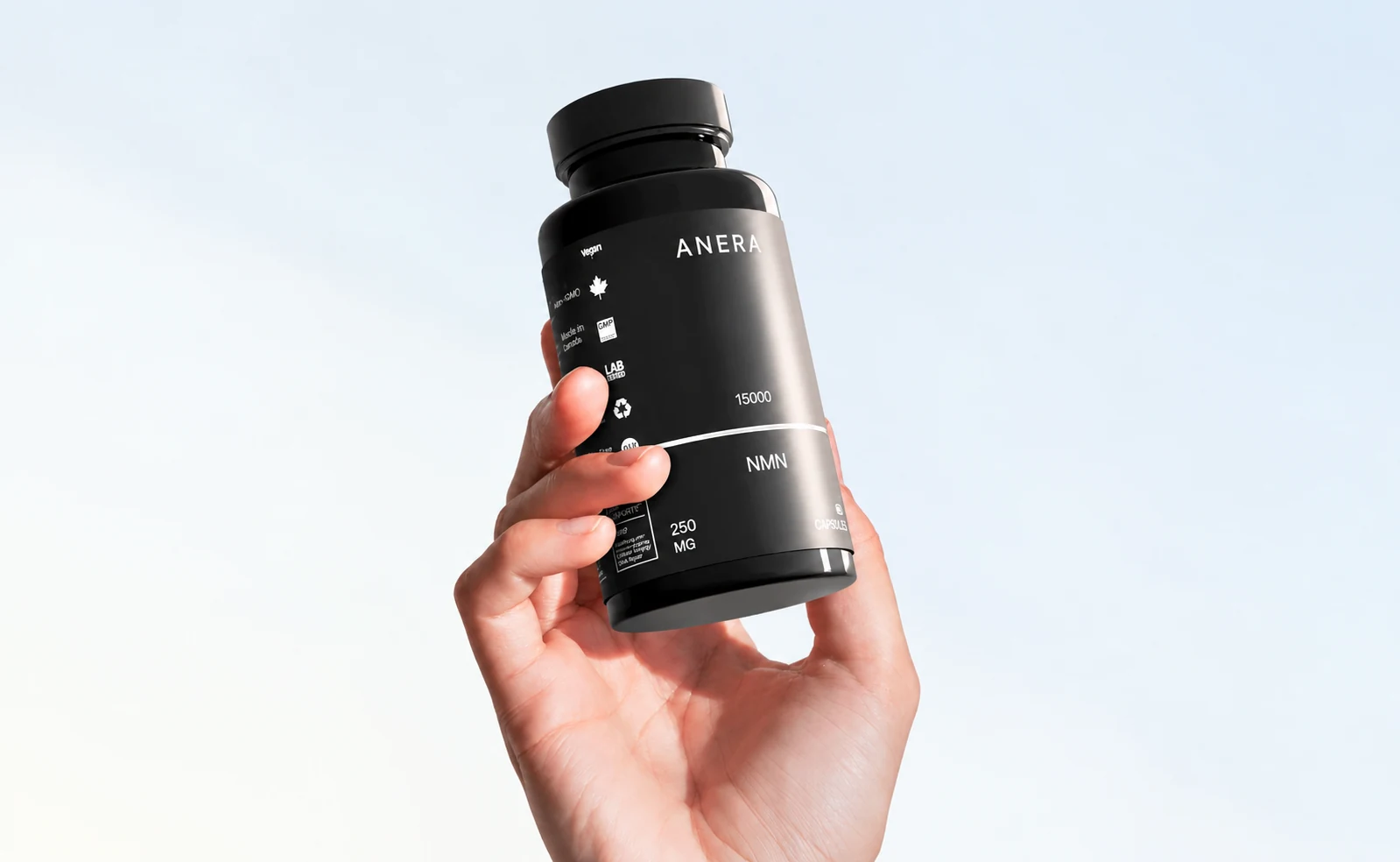
Anera also states that the product is made in Canada, GMP-certified and third-party tested, with pharmaceutical-grade positioning and stated 99% purity.
Anera's published laboratory documentation reports 99.10% NMN by HPLC, along with ICP-MS testing for arsenic, cadmium, lead and mercury, according to the supplied product documentation.
These are product-specific quality facts. They should not be confused with clinical evidence showing that Anera's product produces a particular health outcome.
If you are specifically looking for a 250 mg NMN capsule, Anera Life's NMN 15000 is one product option to evaluate based on its label, testing and other product information.
250 mg vs 500 mg NMN: What Should You Choose?
There is no evidence in the material reviewed here that establishes one universal dose as the best choice for every healthy adult.
Instead, compare:
- The amount of NMN per serving
- What human studies have actually tested
- The product's recommended use
- Purity and testing information
- COA availability
- Canadian regulatory information
- Cost per labelled day
- Total NMN per bottle
- Formula and additional ingredients
- Your individual circumstances
The key distinction is simple:
250 mg and 500 mg are different doses, not different guarantees of effectiveness.
For Canadian consumers, a sensible comparison starts with the evidence and product documentation, then considers which labelled serving fits their needs and circumstances.
For more information about timing, see the best time to take NMN.
Frequently Asked Questions
Is 250 mg of NMN enough?
Human studies have investigated 250 mg/day and reported changes in measures such as NAD+ levels. However, research does not establish 250 mg as a universally optimal dose for every person. Product directions and individual circumstances also matter.
Is 500 mg of NMN better than 250 mg?
Current human evidence does not establish that 500 mg is universally better than 250 mg. Studies use different doses, populations, durations and outcomes, so a higher dose should not automatically be interpreted as a better dose.
How much NMN should I take per day?
There is no single research dose that can be treated as universally appropriate for everyone. Human studies have examined several amounts, including 250 mg/day and higher doses. In Canada, Health Canada's NMN monograph provides regulatory dosage context for licensed products.
Can you take 500 mg of NMN daily?
500 mg/day has been studied in human research, including single-dose safety research. Whether that amount is appropriate for an individual depends on the product, its directions and individual circumstances.
What dose of NMN has been studied in humans?
Human studies have examined a range of doses, including 100 mg, 250 mg, 500 mg and higher daily amounts. One randomized dose-dependent trial examined 300, 600 and 900 mg/day.
Should beginners start with 250 mg NMN?
250 mg is a dose that has been studied in humans and is used in Canadian NMN products. It can be a clearly defined labelled serving, but research does not establish that every beginner should take exactly 250 mg.
What should I look for besides NMN dosage?
Look at purity, independent testing, COA availability, manufacturing standards, Canadian regulatory information, serving size, total NMN per bottle, formula, storage information and cost per labelled day.
Final Takeaway
When comparing NMN 250mg vs 500mg, the most useful question is not simply which number is larger.
Human research has studied both amounts and several higher doses, but the evidence does not establish 500 mg as universally better than 250 mg. Canadian consumers should consider the research, product directions, quality documentation, regulatory information and overall value together.
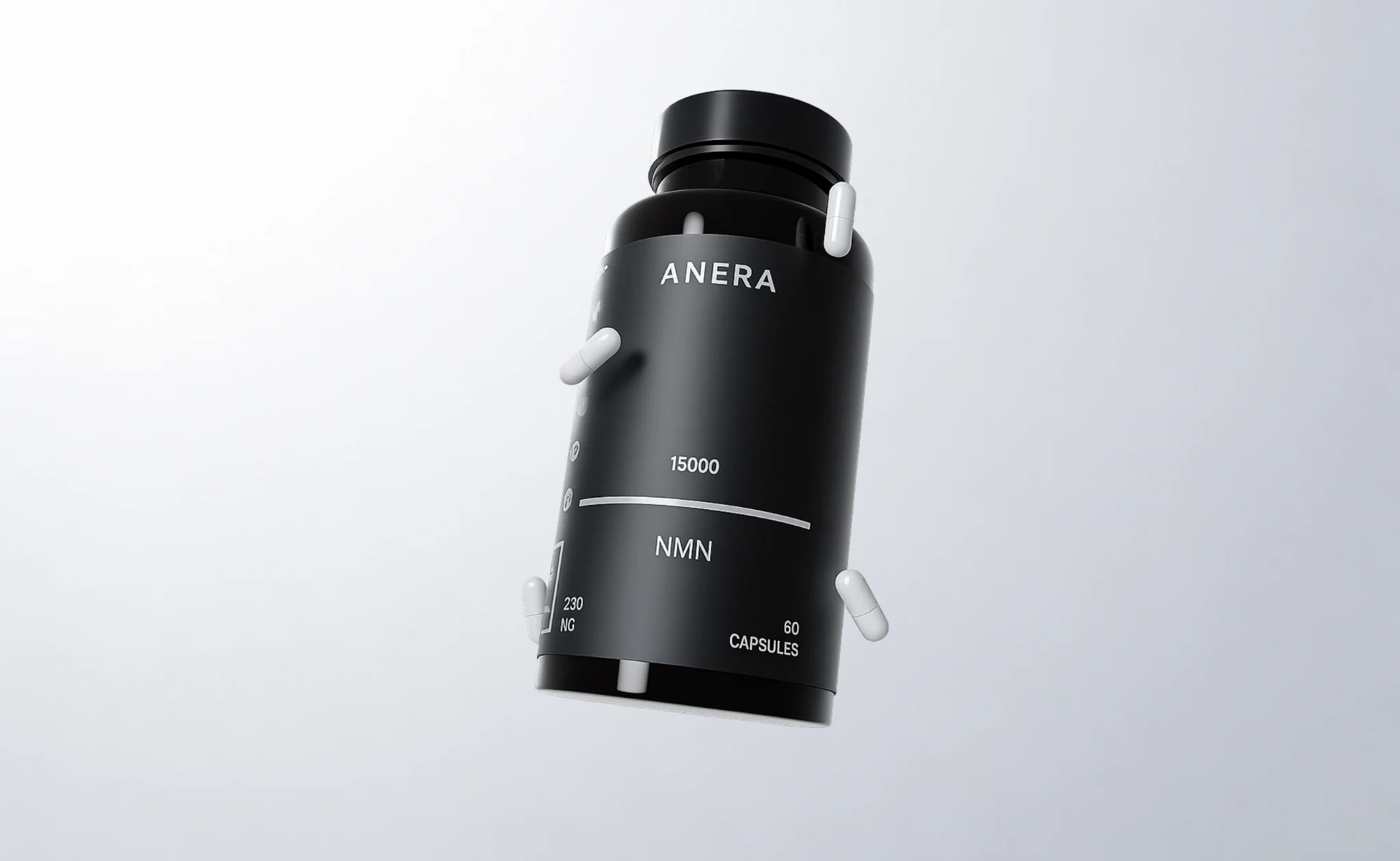
A 250 mg product such as Anera Life's NMN 15000 can therefore be evaluated on its actual product specifications and quality documentation rather than on the assumption that a higher dose is automatically superior.