Why I Stopped Taking NMN: Science, Safety, Smarter Alternatives

NMN has become one of the most talked-about longevity supplements in recent years. Known for its potential to boost NAD+ levels, support cellular energy production, and promote healthy aging, it has gained widespread attention from scientists, biohackers, and health-conscious consumers alike.
Like many people interested in longevity and wellness, I was intrigued by the growing body of research surrounding NMN. The promise of supporting energy, metabolic health, and healthy aging was compelling, so I decided to make it part of my daily routine.
However, after taking NMN consistently for several months and reviewing the latest scientific evidence, I eventually decided to stop. That doesn't mean NMN is ineffective or unsafe. Rather, my decision was based on a combination of expectations, cost, and the current state of human research.
In this article, I'll explain why I stopped taking NMN, what the science actually says, whether it's worth the investment, and the smarter alternatives I now prioritize for long-term health and healthy aging.
What Is NMN and Why Is It So Popular?
NMN (Nicotinamide Mononucleotide) is a naturally occurring molecule found in small amounts in foods such as broccoli, cabbage, avocados, and edamame. More importantly, NMN serves as a precursor to NAD+ (Nicotinamide Adenine Dinucleotide), a coenzyme that plays a critical role in cellular function.
As we age, NAD+ levels naturally decline. Researchers believe this decline may contribute to various age-related changes in metabolism, energy production, and cellular repair processes. Because NMN helps the body produce NAD+, supplementation has gained significant attention in longevity and healthy aging circles.
Why NAD+ Matters
NAD+ is involved in hundreds of biological processes throughout the body. Some of its most important functions include:
- Supporting cellular energy production
- Assisting mitochondrial function
- Helping repair DNA damage
- Supporting metabolic health
- Activating sirtuins, proteins associated with healthy aging
Since NAD+ levels tend to decrease with age, many people view NMN supplementation as a potential strategy to support healthy cellular function over time.
Why Interest in NMN Has Exploded
Several factors have contributed to NMN's popularity:
- Growing interest in longevity research
- Increased awareness of NAD+ biology
- Biohacking and wellness trends
- Emerging human clinical studies
- Greater availability of high-quality NMN supplements
As a result, NMN has become one of the most sought-after supplements among individuals interested in supporting healthy aging and long-term wellness.
Why I Started Taking NMN

My Original Goals
My interest in NMN wasn't driven by a desire for dramatic anti-aging results. Instead, I was primarily interested in supporting overall health and exploring what the science had to offer.
My goals included:
- Supporting natural energy production
- Promoting healthy aging
- Improving recovery and resilience
- Learning firsthand about NAD+ supplementation
- Exploring evidence-based longevity strategies
Like many consumers, I wanted to determine whether NMN could meaningfully contribute to my overall wellness routine.
What I Expected NMN to Do
Before starting NMN, I had certain expectations based on scientific studies, expert discussions, and user testimonials.
| Expectation | Why I Believed It |
|---|---|
| More energy | Research on NAD+ and cellular energy |
| Better focus | Positive user experiences and reviews |
| Healthy aging support | Longevity and NAD+ studies |
| Improved vitality | Marketing claims and anecdotal reports |
While I understood that supplements aren't magic solutions, I expected to notice at least some measurable improvements over time.
My NMN Experience Timeline
The First Few Weeks
During the first several weeks, I paid close attention to my energy levels, recovery, sleep quality, and overall well-being.
The reality was that I didn't experience any dramatic changes.
There were no sudden bursts of energy, significant improvements in focus, or obvious changes in physical performance. While this wasn't necessarily disappointing, it was different from some of the enthusiastic testimonials I had encountered online.
After 30 Days
After one month of consistent use, I continued evaluating whether NMN was making a meaningful difference.
At this point:
- Energy levels felt relatively unchanged
- Recovery remained similar
- Sleep quality was largely the same
- Mental clarity showed no obvious improvement
While subtle benefits may have been occurring at the cellular level, there were no noticeable day-to-day differences that I could confidently attribute to NMN.
After 90 Days
Three months provided a more realistic timeframe for evaluation.
By this stage, I began asking a simple question:
"Are the results worth the ongoing investment?"
Although I still appreciated the scientific rationale behind NMN supplementation, the lack of clearly noticeable benefits made the answer less obvious than I initially expected.
After Several Months
After several months, my perspective shifted.
Rather than viewing NMN as a foundational health strategy, I began seeing it as a potentially helpful supplement that may offer benefits for some individuals but isn't essential for everyone.
That realization ultimately led me to reconsider where I wanted to invest my time, energy, and health budget.
7 Reasons I Stopped Taking NMN
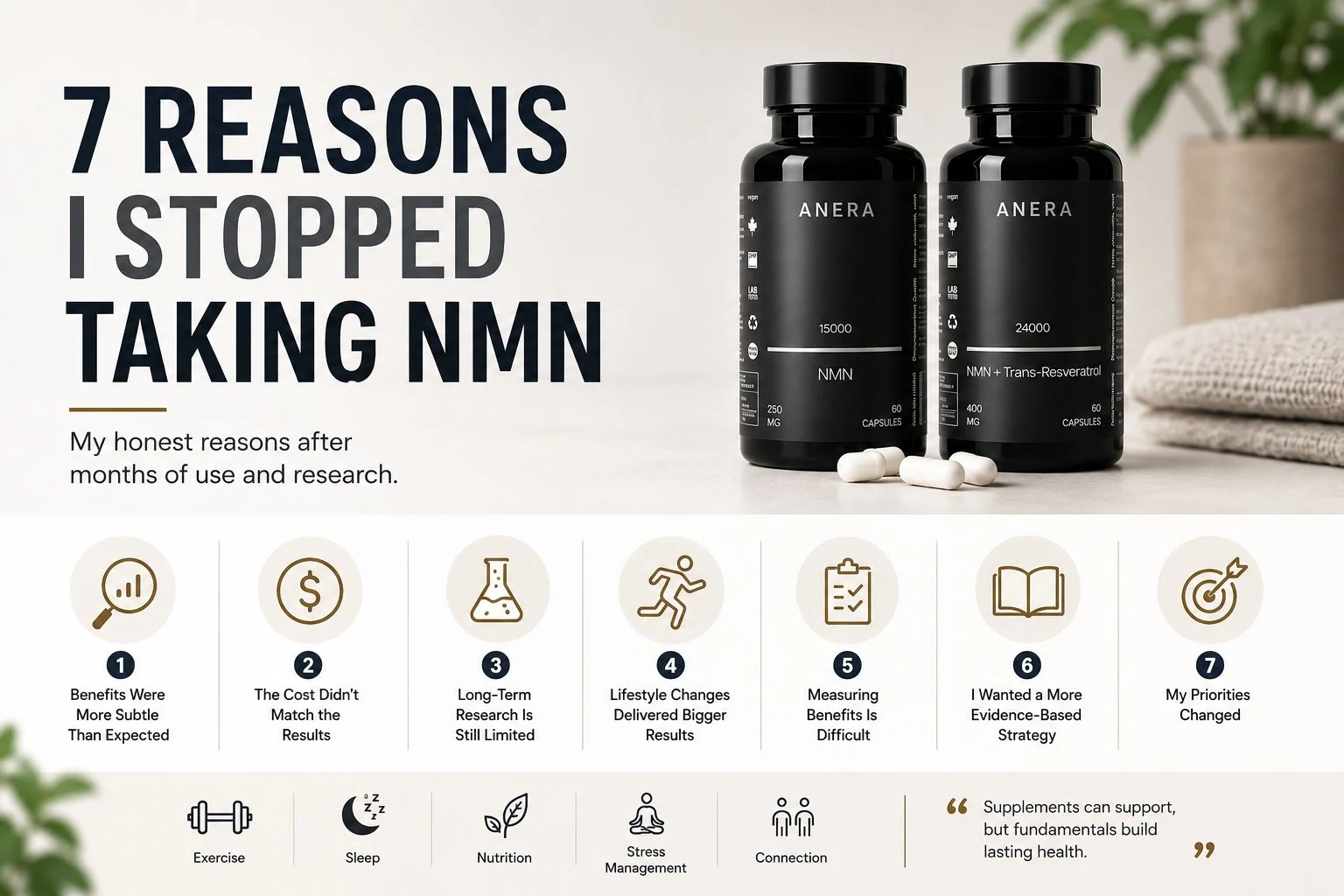
It's important to emphasize that my decision to stop taking NMN wasn't based on a single negative experience. I didn't experience severe side effects, nor did I suddenly conclude that NMN doesn't work.
Instead, it was the result of evaluating the overall value NMN provided compared to other health and longevity strategies available.
Here are the seven biggest reasons that influenced my decision.
1. The Benefits Were More Subtle Than Expected
One of the biggest reasons I stopped taking NMN was that the benefits felt far more subtle than I anticipated.
Many NMN users begin supplementation after reading about increased energy, improved cellular function, healthier aging, and enhanced vitality. While these outcomes may be supported by certain research findings, they don't necessarily translate into noticeable day-to-day changes.
For me, the gap between expectations and reality became increasingly apparent.
I wasn't expecting a miracle. However, after several months of consistent use, I couldn't confidently point to any significant improvements that clearly stood out.
This doesn't mean NMN wasn't doing anything. It simply means the effects were difficult to notice in everyday life.
It's also worth noting that individual responses vary considerably. Some people report meaningful benefits, while others experience little or no noticeable difference.
2. The Cost Didn't Match the Results
Another major factor was cost.
High-quality NMN supplements aren't inexpensive. If you're committed to taking NMN consistently for months or years, the investment can become substantial.
When evaluating any supplement, I believe it's important to ask:
"Am I receiving enough value to justify the ongoing expense?"
For me, that answer became increasingly difficult to justify.
Comparing NMN With Other Health Investments
| Investment | Approximate Monthly Cost |
|---|---|
| Premium NMN Supplement | $40–$90 |
| Gym Membership | $20–$60 |
| High-Quality Whole Foods | $50–$150 |
| Sleep Optimization Tools | $10–$50 |
| Fitness Coaching | $100–$300+ |
When viewed through this lens, I realized there were other evidence-based health investments that offered more obvious and measurable returns.
That doesn't mean NMN isn't worth the cost for everyone. It simply means that the value proposition didn't align with my personal experience.
3. Long-Term Human Research Is Still Limited
One of the most common misconceptions surrounding NMN is that its long-term benefits are already fully established.
The reality is more nuanced.
Current research suggests that NMN can increase NAD+ levels and appears to be generally well tolerated in healthy adults. However, many of the exciting findings often discussed online come from animal studies rather than long-term human trials.
Researchers are still working to answer important questions such as:
- What happens after years of NMN supplementation?
- Does NMN meaningfully influence healthy aging outcomes in humans?
- Can increased NAD+ levels translate into measurable long-term health benefits?
- Are there any unforeseen risks associated with prolonged use?
While the existing science is promising, I ultimately felt more comfortable prioritizing interventions with decades of supporting evidence behind them.
4. Lifestyle Changes Delivered Bigger Results
This was arguably the most important realization.
During the same period that I was taking NMN, I also focused on improving several foundational health habits.
These included:
- More consistent exercise
- Better sleep hygiene
- Improved nutrition
- Stress management
- Recovery optimization
The results from these changes were far more noticeable than anything I experienced from supplementation.
For example:
- Better sleep improved energy levels almost immediately.
- Consistent resistance training enhanced strength and recovery.
- Improved nutrition supported mood, performance, and overall wellness.
This experience reinforced a valuable lesson:
Supplements can support health, but they rarely outperform the fundamentals.
5. Measuring NMN Benefits Is Difficult
Another challenge with NMN is that many of its proposed benefits occur at the cellular level.
Unlike a pre-workout supplement that may produce an immediate effect, NMN's potential benefits are often subtle and gradual.
This creates an important question:
How do you know whether it's working?
Most people don't routinely measure NAD+ levels or advanced biomarkers. Instead, they rely on subjective observations such as:
- Energy
- Focus
- Recovery
- Mood
- Overall well-being
The problem is that these variables are influenced by countless factors beyond supplementation.
As a result, it became increasingly difficult for me to determine whether NMN was providing meaningful benefits or whether other lifestyle factors were playing a larger role.
6. I Wanted a More Evidence-Based Longevity Strategy
The more I studied healthy aging research, the more I realized that longevity isn't built around a single supplement.
The strongest evidence continues to support lifestyle interventions such as:
- Regular exercise
- Quality sleep
- Healthy body composition
- Stress reduction
- Nutrient-dense nutrition
- Social connection
These factors consistently appear in longevity research across multiple populations and decades of scientific investigation.
While NMN remains an exciting area of study, I became more interested in prioritizing interventions with stronger long-term evidence.
7. My Priorities Changed
The final reason was surprisingly simple.
Over time, I wanted to simplify my supplement routine.
Instead of continuously adding new products, I became more focused on identifying which habits and supplements delivered the greatest overall value.
For me, that meant concentrating on:
- Exercise consistency
- Recovery quality
- Sleep optimization
- Nutrition
- Stress management
As my priorities shifted toward these foundational practices, NMN became less central to my overall strategy.
That doesn't mean I'll never consider it again. It simply means that, at this stage, I believe my resources are better allocated elsewhere.
What Science Actually Says About NMN
NMN has become one of the most researched NAD+ precursors in the longevity space. However, understanding what the science actually shows requires looking beyond headlines and marketing claims.
While research remains encouraging, it's important to distinguish between proven findings and areas that still require further investigation.
What Researchers Agree On
The strongest evidence surrounding NMN is its ability to increase NAD+ levels in the body.
Multiple human studies suggest that NMN supplementation can effectively raise NAD+ concentrations, which is one reason researchers continue exploring its potential role in healthy aging and metabolic health.
Researchers generally agree that:
- NMN serves as a precursor to NAD+
- NAD+ levels naturally decline with age
- NMN supplementation can increase NAD+ availability
- NMN appears to be generally well tolerated in healthy adults
- Early human studies have produced encouraging results
These findings provide a strong scientific foundation for continued research.
What Researchers Are Still Investigating
Despite the excitement surrounding NMN, many important questions remain unanswered.
Scientists are still investigating:
- Long-term safety
- Healthy aging outcomes
- Cardiovascular health effects
- Metabolic improvements over time
- Cognitive function benefits
- Lifespan implications
While increased NAD+ levels are measurable, researchers are still determining whether those changes consistently translate into meaningful long-term health improvements.
This distinction is critical because raising a biomarker and improving real-world health outcomes are not always the same thing.
Human Studies vs. Animal Studies
One reason NMN receives so much attention is the large number of promising animal studies.
However, human research remains relatively new compared to animal research.
| Animal Research | Human Research |
|---|---|
| Extensive | Emerging |
| Numerous positive findings | Promising but limited |
| Improved metabolic markers | Early encouraging outcomes |
| Lifespan observations reported | No proven lifespan extension |
| Decades of laboratory data | Limited long-term data |
Animal studies provide valuable insights, but human outcomes remain the gold standard.
This is one of the primary reasons I became more cautious about relying too heavily on NMN as a long-term longevity strategy.
Is NMN Safe? Current Safety Evidence Explained
Safety is one of the most common concerns among people considering NMN supplementation.
Based on current research, NMN appears to be generally well tolerated when used by healthy adults at commonly studied doses. However, like many emerging supplements, questions remain regarding long-term use.
Reported Side Effects
Most studies have reported relatively mild side effects when they occur.
Some users have reported:
- Digestive discomfort
- Nausea
- Headaches
- Mild sleep disturbances
- Temporary gastrointestinal upset
It's important to remember that individual responses vary. A supplement that works well for one person may not be ideal for another.
In my own experience, I did not experience significant side effects. My decision to stop was based primarily on value, expectations, and evidence rather than safety concerns.
Who Should Speak With a Healthcare Professional First?
Although NMN is widely available, certain individuals should seek medical guidance before starting supplementation.
This may include:
- Individuals with chronic medical conditions
- Those taking prescription medications
- Pregnant or breastfeeding women
- Individuals undergoing medical treatment
- Anyone managing complex health concerns
A healthcare professional can help evaluate whether NMN aligns with an individual's specific health circumstances.
Long-Term Safety Questions That Remain
One of the biggest limitations in current NMN research is the lack of long-duration human studies.
Researchers still need answers to questions such as:
- What happens after five or ten years of supplementation?
- Are there population groups that benefit more than others?
- Could prolonged NAD+ enhancement have unintended consequences?
- What is the optimal dosage for long-term use?
These questions don't necessarily indicate that NMN is unsafe. They simply highlight the reality that the science is still evolving.
For me, the absence of long-term human data contributed to my decision to prioritize interventions with more established evidence.
What Happened After I Stopped Taking NMN?
One concern many people have is what happens when NMN supplementation ends.
Would energy levels crash?
Would NAD+ levels suddenly drop?
Would there be withdrawal symptoms?
These were questions I considered before making my decision.
Did I Experience Withdrawal?
No. To date, there is no known withdrawal mechanism associated with NMN supplementation.
Unlike substances that create physical dependency, NMN functions as a nutrient precursor involved in natural biological pathways.
When I stopped taking NMN, I did not experience:
- Withdrawal symptoms
- Cravings
- Mood changes
- Significant physical discomfort
Did My Energy Change?
One reason this was difficult to evaluate is that I never experienced dramatic energy improvements while taking NMN.
As a result, I didn't notice a significant energy decline after discontinuing it.
My daily energy levels continued to be influenced primarily by:
- Sleep quality
- Exercise habits
- Nutrition
- Stress management
- Recovery practices
These factors had a far greater impact on how I felt than whether I was taking NMN.
Did I Notice Any Negative Effects?
For me, the answer was largely no.
Some users report feeling as though they return to baseline after stopping NMN. Others report no noticeable differences at all.
My experience fell into the latter category.
The biggest change wasn't physical—it was financial. I was no longer spending money on a supplement whose benefits I struggled to clearly identify.
Signs NMN May Not Be Working for You
Not everyone responds to NMN in the same way.
If you're currently taking NMN and wondering whether it's delivering meaningful value, consider the following questions.
You Haven't Noticed Meaningful Changes
After several months of consistent use, some people report little to no noticeable difference in:
- Energy
- Recovery
- Focus
- Overall well-being
While subtle cellular changes may still occur, the absence of meaningful results can influence whether continued use feels worthwhile.
Your Expectations Exceed Current Evidence
NMN is often marketed as a revolutionary longevity supplement.
However, the current evidence does not support dramatic anti-aging transformations.
If expectations are unrealistic, disappointment becomes much more likely.
Lifestyle Factors Remain Unaddressed
No supplement can compensate for:
- Poor sleep
- Sedentary habits
- Chronic stress
- Inadequate nutrition
If these fundamentals aren't optimized, NMN may have limited impact on overall health outcomes.
The Cost Outweighs the Benefits
Ultimately, value matters.
If you're spending a significant amount each month without noticing meaningful benefits, it may be worth reevaluating whether NMN deserves a place in your wellness budget.
This doesn't necessarily mean NMN is ineffective. It simply means it may not be the right investment for your specific goals and circumstances.
What Is Better Than NMN? Smarter Alternatives to Consider

One of the biggest shifts in my thinking was realizing that no supplement can replace the fundamentals of health.
While NMN remains an interesting area of longevity research, several evidence-based strategies consistently demonstrate greater and more measurable benefits for long-term wellness.
Exercise
If there were a "longevity pill," exercise would likely be the closest thing we have.
Regular physical activity supports:
- Cardiovascular health
- Metabolic function
- Mitochondrial health
- Muscle maintenance
- Cognitive performance
- Healthy aging
Both resistance training and aerobic exercise have decades of scientific support behind them, making exercise one of the most powerful longevity tools available.
High-Quality Sleep
Sleep is often overlooked, yet it directly impacts nearly every aspect of health.
Consistent, restorative sleep supports:
- Recovery
- Hormonal balance
- Immune function
- Cognitive performance
- Metabolic health
In my experience, improving sleep quality delivered more noticeable benefits than any supplement I have tried.
Nutrition
A nutrient-dense diet remains one of the strongest foundations for long-term health.
Key priorities include:
- Adequate protein intake
- Whole foods
- Fruits and vegetables
- Healthy fats
- Fiber-rich foods
- Proper hydration
Rather than searching for a single anti-aging compound, many people may benefit more from improving overall dietary quality.
Stress Management
Chronic stress can negatively impact energy, recovery, sleep quality, and overall well-being.
Strategies that support healthy stress management include:
- Daily movement
- Meditation
- Time outdoors
- Mindfulness practices
- Social connection
- Recovery-focused activities
Managing stress consistently may provide broader health benefits than adding another supplement to your routine.
Nicotinamide Riboside (NR)
For individuals interested in NAD+ support, Nicotinamide Riboside (NR) is another popular option.
Like NMN, NR serves as a precursor to NAD+ and has been studied for its potential role in supporting cellular energy and healthy aging.
NMN vs NR
| NMN | NR |
|---|---|
| NAD+ precursor | NAD+ precursor |
| Popular among longevity enthusiasts | Well researched |
| Often higher cost | Often lower cost |
| Strong consumer awareness | Strong clinical interest |
| Growing human evidence | Established research base |
Neither option has been definitively proven superior for everyone. The best choice depends on individual goals, preferences, budget, and consultation with a healthcare professional.
Is NMN Worth the Money?
This is perhaps the most important question potential users should ask.
The answer depends on expectations.
If you believe NMN will dramatically transform your energy, reverse aging, or produce obvious changes within weeks, you may be disappointed.
If, however, you view NMN as a potentially supportive tool within a broader wellness strategy, it may provide value.
Ask Yourself These Questions
Before investing in NMN, consider:
- What is my primary goal?
- Have I optimized sleep quality?
- Do I exercise consistently?
- Is my nutrition supporting my health?
- Am I managing stress effectively?
- Can I comfortably afford long-term supplementation?
- Am I expecting realistic outcomes?
For me, these questions ultimately led to a simple conclusion: my resources were better invested in foundational lifestyle habits.
Who May Benefit Most From NMN?
Although I stopped taking NMN, that doesn't mean it lacks potential value.
Some individuals may still find it worthwhile.
Potential candidates include:
Healthy Aging Enthusiasts
People who actively follow longevity research may appreciate NMN's potential role in supporting NAD+ production.
Biohackers and Wellness Optimizers
Individuals who enjoy experimenting with evidence-based wellness strategies may find NMN worth exploring.
Individuals Interested in NAD+ Support
Those specifically interested in maintaining healthy NAD+ levels may view NMN as a useful addition to their wellness routine.
The key is maintaining realistic expectations and understanding that supplementation should complement—not replace—healthy lifestyle habits.
Who May Not Need NMN?
NMN may not be the best fit for everyone.
Those Expecting Dramatic Results
Current research does not support the idea that NMN produces immediate or dramatic anti-aging effects.
People Seeking Quick Fixes
Longevity is built through consistent habits, not shortcuts.
Individuals Neglecting Lifestyle Fundamentals
If sleep, exercise, nutrition, and stress management are not optimized, focusing on these areas will likely produce greater returns than supplementation alone.
Would I Take NMN Again?
After months of use and reviewing the available research, my view of NMN is balanced. I still find the science behind NAD+ support promising, and NMN appears to be generally well tolerated with encouraging early research.

However, the benefits I experienced were subtle, the cost added up over time, and long-term human evidence is still limited. Most importantly, I found that improving exercise, sleep, nutrition, stress management, and recovery delivered more noticeable results.
NMN isn't necessarily ineffective or overhyped, but it's not a magic solution either. For most people, optimizing lifestyle fundamentals will likely have a greater impact on long-term health than any single supplement. If you choose to try NMN, keep your expectations realistic, prioritize quality, and view it as a complement rather than a replacement for healthy habits.
Frequently Asked Questions
Is NMN Safe Long Term?
Current research suggests NMN is generally well tolerated in healthy adults. However, long-term human studies remain limited, so more research is needed to fully understand its safety over many years.
Why Did I Stop Taking NMN?
I stopped taking NMN because the benefits felt subtle, the ongoing cost was significant, and improvements from exercise, sleep, nutrition, and recovery were more noticeable and measurable.
Is It Okay to Stop Taking NMN?
Yes. There is no evidence that stopping NMN causes withdrawal symptoms. Most people simply return to their normal baseline, although individual experiences may vary depending on lifestyle factors.
What Happens When You Stop Taking NMN?
Most users report few or no noticeable changes after stopping NMN. Any potential benefits may gradually diminish over time, but no withdrawal effects are currently known.
Does NMN Stop Working Over Time?
There is no strong evidence that NMN becomes ineffective over time. However, some users may perceive fewer benefits as expectations change or they adapt to their routine.
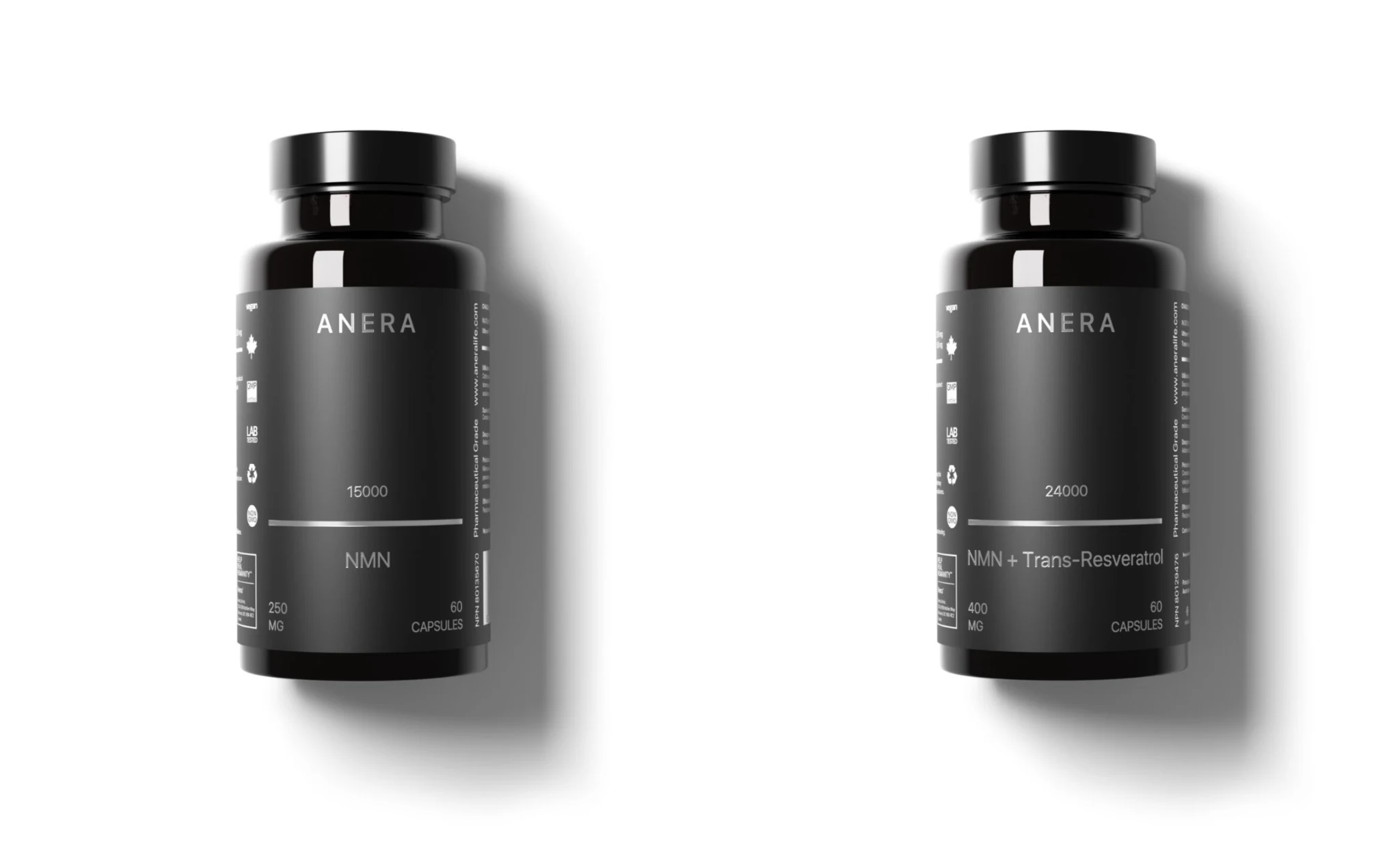
Support Your Healthy Aging Journey with Anera Life
Healthy aging starts with informed choices and evidence-based wellness strategies. If you're considering NMN, choose a supplement backed by quality, purity, and transparency.
Anera Life offers pharmaceutical-grade NMN formulations, third-party testing, and science-driven solutions designed to support cellular energy, healthy aging, and long-term vitality.
Explore our premium NMN collection and invest in your wellness with confidence.