NMN Nutrition · Natural NMN

Food vs Supplement: Can You Get Enough NMN Naturally?

July 13, 2026 · 12 min read
Food vs Supplement

When it comes to supporting long-term health, most people agree that a balanced diet is the best place to start. Whole foods provide essential vitamins, minerals, antioxidants, healthy fats, and other nutrients that help the body function at its best. As interest in healthy aging continues to grow, many people are also learning about Nicotinamide Mononucleotide (NMN) a naturally occurring compound that plays an important role in the body's production of NAD+.

Because NMN is found in certain foods, a common question is whether eating those foods is enough to support healthy NAD+ levels or if an NMN supplement offers additional benefits. While foods containing NMN contribute to a healthy diet, the amount they naturally provide is relatively small, making food vs NMN supplement an increasingly important topic for people interested in wellness and longevity.

In this guide, we'll explore where NMN comes from, which foods naturally contain it, how much you can realistically get through your diet, and whether supplementation may be a practical complement to healthy lifestyle habits. By the end, you'll have a clearer understanding of how to make an informed choice based on your personal wellness goals.

What Is NMN?

Nicotinamide Mononucleotide (NMN) is a naturally occurring molecule found in every living cell. It serves as a direct precursor to NAD+ (nicotinamide adenine dinucleotide), a coenzyme that is essential for hundreds of biological processes throughout the body.

NAD+ helps convert the food you eat into cellular energy, allowing your cells to perform everyday functions efficiently. It also supports normal metabolic processes, mitochondrial function, and cellular repair mechanisms that are important for maintaining overall health.

One reason NMN has attracted significant scientific interest is that NAD+ levels naturally decline with age. This gradual decrease is considered a normal part of aging and has prompted researchers to study ways to help support healthy NAD+ levels through nutrition and lifestyle. Among the compounds being investigated, NMN has become one of the most widely researched because of its direct relationship with NAD+ production.

It's important to understand that NMN isn't a synthetic ingredient created in a laboratory. Your body naturally produces it every day, and it is also found in small amounts in a variety of foods. However, the levels present in food are generally much lower than the standardized amounts provided by dietary supplements.

This difference is at the heart of the NMN supplement vs food discussion. While both provide NMN, they differ significantly in consistency, concentration, and convenience.

Does Food Naturally Contain NMN?

NMN naturally occurs in several plant- and animal-based foods, making it a normal part of many healthy diets.

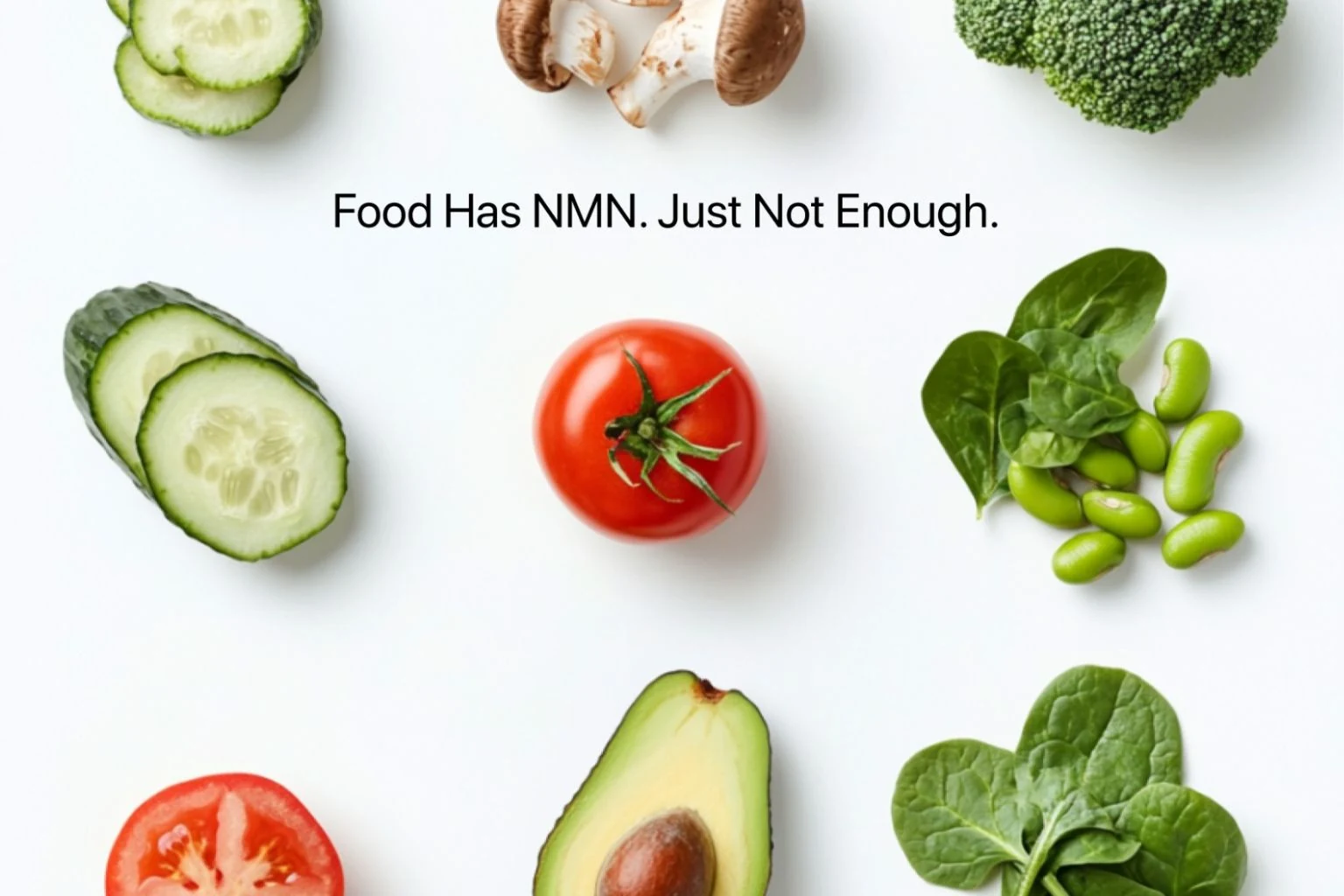
Researchers have identified naturally occurring NMN in a variety of everyday foods, including:

  • Broccoli
  • Edamame
  • Avocado
  • Cabbage
  • Cucumbers
  • Tomatoes
  • Mushrooms
  • Raw beef (small amounts)
  • Shrimp

These foods are already recognized for their nutritional value, providing fiber, vitamins, minerals, antioxidants, healthy fats, and protein. The presence of NMN adds to their overall nutritional profile, making them excellent choices as part of a balanced eating pattern.

However, it's important to keep expectations realistic. Although these foods contain NMN, the naturally occurring amounts are relatively small. Eating broccoli, avocado, or edamame contributes dietary NMN, but these foods are not considered concentrated sources capable of providing large or standardized amounts.

That doesn't mean they aren't valuable. Whole foods remain the foundation of good nutrition and support overall wellness in countless ways beyond their NMN content. Instead, this highlights an important distinction between obtaining naturally occurring NMN through food and choosing a supplement specifically formulated to provide a consistent daily amount.

Foods That Contain NMN

Foods That Contain NMN

If you're looking for natural NMN sources, several everyday foods contain measurable amounts of this important compound. While no single food is especially high in NMN, regularly including a variety of these foods can contribute to your overall dietary intake.

FoodContains NMNRelative Amount
BroccoliYesLow
EdamameYesModerate
AvocadoYesLow
CucumberYesLow
CabbageYesLow
TomatoYesLow
MushroomsYesLow
ShrimpYesLow

Among these options, edamame is generally considered one of the richer dietary sources of NMN. Vegetables like broccoli, cabbage, cucumbers, and tomatoes also contain naturally occurring NMN, while shrimp and raw beef provide smaller amounts from animal-based sources.

Although these foods contribute dietary NMN, their greatest strength lies in the wide range of nutrients they provide. Together, they support heart health, digestive health, immune function, and overall wellness as part of a balanced diet.

Can You Get Enough NMN Naturally?

NMN is naturally present in foods, but only in relatively small amounts. While eating NMN-rich foods contributes to a healthy diet, current research suggests that dietary intake alone is unlikely to match the levels evaluated in many clinical studies, where researchers have investigated daily NMN doses ranging from 250 mg to 500 mg.

Think of NMN as one of the building blocks your body uses to produce NAD+, a coenzyme involved in cellular energy production. Eating foods that naturally contain NMN is like collecting spare change. Every bit contributes, but the amounts are relatively small compared to the standardized servings found in dietary supplements.

For example, research has identified naturally occurring NMN in foods such as:

  • Edamame: One of the richest known plant-based sources of NMN.
  • Broccoli: Contains naturally occurring NMN in relatively small amounts.
  • Avocados: Another recognized dietary source of NMN.
  • Tomatoes and Cabbage: Provide measurable but modest amounts.
  • Raw Beef: Contains small amounts of naturally occurring NMN.

Even though these foods contribute dietary NMN, you would need to consume very large quantities every day to approach the amounts commonly investigated in supplementation studies. For most people, that simply isn't practical.

How Much NMN Can You Get From Food?

Whole foods provide much more than NMN. They also deliver vitamins, minerals, fiber, antioxidants, healthy fats, and protein that work together to support overall health. However, because NMN concentrations naturally vary by food type, serving size, freshness, and preparation, it's difficult to obtain a consistent daily intake from diet alone.

Practical Challenges of Relying Only on Diet

Obtaining NMN exclusively through food comes with several limitations:

  • Naturally low NMN concentrations in most foods.
  • Daily intake varies depending on what you eat.
  • Portion sizes required to significantly increase NMN intake may be unrealistic.
  • Cooking, storage, and food processing can influence nutrient content.
  • There is no practical way to standardize your daily NMN intake through diet alone.

What Current Research Suggests

Current research confirms that foods naturally contain NMN and contribute to overall nutrition. However, studies also indicate that the amounts obtained through diet are relatively modest. This is one reason NMN supplements have gained attention because they provide a consistent, standardized daily amount that is difficult to achieve through food alone.

Is Food Alone Enough for Most People?

A healthy diet should always be the foundation of good health. Eating vegetables, fruits, legumes, lean proteins, and healthy fats supports normal cellular function and overall well-being.

To maximize your body's natural energy production, many experts recommend combining an NMN-rich diet with other healthy lifestyle habits, including:

  • Regular exercise
  • Quality sleep
  • Stress management
  • Maintaining a healthy body weight
  • Eating a nutrient-dense, balanced diet

A balanced diet provides the nutritional foundation, while a high-quality NMN supplement can help deliver a standardized daily amount as part of a broader healthy lifestyle.

Why People Choose NMN Supplements

While whole foods should always come first, many people choose NMN supplements for their convenience, consistency, and quality.

Some of the most common reasons include:

  • Standardized Daily Intake: Every serving provides a consistent amount of NMN.
  • Convenience: Easy to incorporate into a daily wellness routine.
  • Purity: High-quality products are manufactured to strict quality standards.
  • Third-Party Testing: Reputable brands verify identity, purity, and quality through independent testing.
  • Transparent Labels: Clear ingredient lists help consumers know exactly what they're taking.
  • Reliable Quality: Trusted manufacturers focus on consistency from batch to batch.

For those considering supplementation, choosing a reputable brand matters. Anera Life emphasizes quality, transparency, and carefully formulated NMN supplements designed to complement a balanced diet and healthy lifestyle, not replace them.

Food vs NMN Supplement Comparison

Food vs NMN Supplement Comparison

Both foods and supplements can contribute to your overall NMN intake, but they serve different purposes. Whole foods provide a wide range of nutrients that support overall health, while NMN supplements offer a more consistent and convenient way to increase daily NMN intake.

The comparison below highlights the key differences.

FeatureFoodNMN Supplement
Natural SourceYesYes (derived or synthesized)
NMN ContentLowStandardized
ConvenienceModerateHigh
Daily ConsistencyDifficultEasy
Dosage ControlNoYes
Supports a Healthy LifestyleYesCan complement

Neither option is inherently better. They simply serve different roles. Whole foods should remain the foundation of your diet, while a high-quality NMN supplement may complement healthy lifestyle habits for those seeking a more consistent daily intake.

Should You Choose Food, Supplements, or Both?

The best approach for most people isn't choosing food or supplements. It's combining both.

A nutrient-rich diet provides the vitamins, minerals, antioxidants, fiber, healthy fats, and protein your body needs to function well every day. Foods containing NMN also contribute small amounts of this naturally occurring compound while supporting overall nutrition.

For individuals looking to maintain a more consistent intake of NMN, supplementation may offer additional convenience. Rather than replacing healthy foods, supplements are designed to work alongside a balanced diet and other healthy lifestyle habits.

When considering supplementation, keep these principles in mind:

  • Prioritize a balanced, whole-food diet.
  • Stay physically active.
  • Get adequate, quality sleep.
  • Manage daily stress.
  • Choose a trusted, high-quality NMN supplement if it aligns with your wellness goals.

If you decide to use an NMN supplement, selecting a reputable brand is essential. Look for companies that emphasize ingredient transparency, quality manufacturing, and third-party testing.

Tips to Naturally Support Healthy NAD+ Levels

Supporting healthy NAD+ levels involves more than just NMN. Daily lifestyle habits play an important role in maintaining overall cellular health and healthy aging.

Stay Physically Active

Regular exercise supports healthy metabolism, energy production, and overall cellular function. Aim for a combination of strength training, cardiovascular exercise, and regular movement throughout the week.

Prioritize Quality Sleep

Sleep allows your body to recover and perform essential biological processes. Consistently getting enough restful sleep supports overall wellness and healthy aging.

Eat a Nutrient-Dense Diet

Choose a variety of vegetables, fruits, legumes, lean proteins, healthy fats, and whole grains. Including foods that naturally contain NMN contributes to a balanced nutritional intake.

Maintain a Healthy Body Weight

Maintaining a healthy weight supports metabolic health and overall well-being. Combining nutritious eating with regular physical activity can help promote long-term health.

Manage Stress

Long-term stress can affect many aspects of wellness. Incorporating relaxation techniques such as meditation, deep breathing, yoga, or spending time outdoors may help support a healthier lifestyle.

Avoid Smoking

Smoking is associated with numerous health risks. Avoiding tobacco products is one of the most effective ways to support long-term wellness.

Get Enough Protein

Protein provides essential amino acids that support muscle maintenance and many normal biological functions, making it an important part of a balanced diet.

The Bottom Line

When comparing food and NMN supplements, the best approach isn't choosing one over the other. Whole foods should always be the foundation of a healthy lifestyle, providing essential nutrients along with small amounts of naturally occurring NMN.

However, because dietary NMN levels are relatively low, a high-quality NMN supplement may help provide a more consistent daily intake. Combined with a balanced diet, regular exercise, quality sleep, and stress management, supplementation can support your long-term wellness goals.

If you're considering an NMN supplement, choose a trusted brand like Anera Life, which prioritizes purity, transparency, and third-party quality testing.

Frequently Asked Questions

Can you get enough NMN naturally?

Yes, NMN is naturally found in foods such as edamame, broccoli, avocado, cabbage, tomatoes, mushrooms, cucumbers, and shrimp. However, these foods contain relatively small amounts of NMN, so many people choose supplements for a more consistent daily intake while continuing to eat a balanced diet.

Which foods contain NMN?

Some of the best-known natural NMN sources include edamame, broccoli, avocado, cabbage, cucumbers, tomatoes, mushrooms, shrimp, and small amounts in raw beef. These foods also provide a variety of vitamins, minerals, antioxidants, fiber, and other nutrients that contribute to overall health.

Which is better: food or an NMN supplement?

Neither is universally better. They serve different purposes. Whole foods provide complete nutrition and should always be the foundation of a healthy diet, while NMN supplements offer a standardized and convenient way to increase daily NMN intake. For many people, using both together is a practical approach.

Can you replace food with supplements?

No. Dietary supplements are intended to complement, not replace, a balanced diet. Whole foods provide a broad range of nutrients and beneficial compounds that supplements alone cannot fully replicate. A healthy eating pattern should remain your primary source of nutrition.

What is the difference between a food and a supplement?

Foods naturally contain a wide variety of nutrients that work together to support overall health. Supplements provide concentrated amounts of specific ingredients, such as NMN, in a convenient format. While supplements can help support certain wellness goals, they are most effective when used alongside a nutritious diet and healthy lifestyle.

Support Your Healthy Aging Journey with Anera Life

Whether you choose to rely on NMN-rich foods, a high-quality supplement, or a combination of both, consistency is key. A healthy lifestyle built on nutritious eating, regular exercise, restorative sleep, and smart supplementation can help support your long-term wellness goals.

Anera Life premium NMN collection

At Anera Life, we're committed to helping you make informed decisions with premium NMN supplements developed for quality, purity, and transparency. Explore our premium NMN collection to find the product that best fits your wellness routine and take the next step toward supporting healthy aging with confidence.